If you’ve ever worked in chemical processing, you know every piece of equipment matters—whether it’s a small lab-scale unit or a full industrial system. For years, shell-and-tube condensers were the go-to for most condensation duties, but I’ve spent the better part of a decade selling plate condensers, and I’m here to tell you: they’re far more versatile than most process engineers realize. The question I get asked most often is, “Can a plate condenser actually hold up in chemical processes?” The short answer is yes, but the full answer is tied to understanding how plate condensers work, their unique advantages, and the small set of scenarios where they shine—plus the ones where they might not be the right fit. Plate Condenser
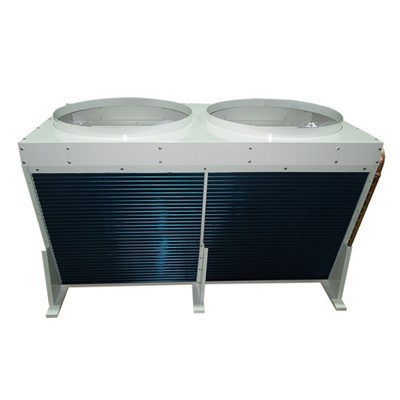
Let’s start with the basics. A plate condenser isn’t some shiny, untested novelty. It’s a heat exchanger made of stacked corrugated metal plates, sealed with gaskets, with separate channels for process fluid and cooling medium. The corrugations create turbulence that boosts heat transfer far more than the smooth tubes in a shell-and-tube unit. For chemical processes, that efficiency translates to smaller footprints, lower energy costs, and faster processing times—big wins for plants where space and utility budgets are tight. But to really answer the question, I’ve seen plate condensers work in everything from specialty pharmaceutical manufacturing to wastewater treatment for chemical plants, so let’s break down the use cases where they excel.
First up: small-to-medium volume condensation duties. If your process isn’t handling 100,000 gallons per hour of ethanol or a high-flow acid distillate, plate condensers are a game-changer. Last year, a client making specialty organic solvents came to me with a problem: their existing shell-and-tube condenser was taking up 120 square feet of floor space, and their plant was expanding, so they needed to free up room. We sized a plate condenser for their 15,000 lb/hour condensation load, and it fit into a 28-square-foot footprint—80% smaller than the old unit. Plus, the higher efficiency meant they used 25% less cooling water, which cut their monthly utility bill by over $1,200. For chemical plants that aren’t running nonstop at maximum capacity, that’s a hard benefit to ignore.
Another big win is process cleanliness. Many chemical processes involve sensitive fluids that can degrade or react if exposed to harsh conditions, or that leave residue that clogs equipment. The plate design lets us use materials like 316L stainless steel, Hastelloy, or even titanium, which are corrosion-resistant for acids, bases, and organic solvents. The smooth plate surfaces (unlike the internal tubes of a shell-and-tube, which can develop scale or fouling over time) also make it easier to clean in place (CIP)—a must for pharmaceutical and food-grade chemical processes where cross-contamination is a major risk. I had a client making active pharmaceutical ingredients (APIs) a couple of years back who was switching from shell-and-tube because their cleaning cycles were taking 4 hours per run. With a plate condenser, their CIP time dropped to 90 minutes, which let them process one more batch per week—adding up to over $50,000 in extra revenue annually.
But here’s where it gets nuanced: plate condensers aren’t for every chemical process, and that’s something I’m upfront about with every client. The biggest limitation is pressure and temperature. If your process is running at 150 psig or higher, or 350°F, plate condensers might not hold up. The gaskets that seal the plates can degrade at extreme temperatures, and the compact design means that high pressure can warp the plates, reducing heat transfer or even causing leaks. I had a client in a petrochemical plant pushing 200 psig of hydrocarbon vapor who tried a plate condenser and ended up needing to replace it within 6 months—turns out they’d skipped the pressure rating check, and the gaskets couldn’t handle the heat. We steered them back to a customized shell-and-tube unit with reinforced tubes, which worked. That’s why, as a supplier, I never push plate condensers for high-pressure, high-temperature duties. They’re not a one-size-fits-all solution, but for 70% of the chemical processes our clients bring us, they’re ideal.
Another consideration is fouling resistance. Some chemical processes produce very heavy, sticky residue—like bitumen or highly viscous polymer condensates—that can build up on the plate surfaces. While plate condensers are better than shell-and-tube at resisting fouling, extremely high-viscosity fluids can still coat the corrugations over time, reducing heat transfer. For those cases, I usually recommend a hybrid design: a plate condenser with wider spacing between plates, so the residue can flush out easier, or if the fouling is really bad, we point them toward a different type of heat exchanger. Transparency here is key—my job isn’t to sell a plate condenser to everyone; it’s to find the right equipment for their process.
Over the years, I’ve also seen plate condensers evolve to fit more chemical process needs. Modern plate condenser designs include welded plate units (instead of gasket-sealed) for applications where gaskets would corrode or fail—like concentrated sulfuric acid or hot hydrofluoric acid. Welded plates eliminate gasket issues, so they can handle harsher chemicals without leaking. We also have plate condensers with expanded channel spacing for low-fouling processes, like dilute alcohol condensation or wastewater treatment, where residual solids are minimal. These adaptations have expanded the use cases a lot—10 years ago, welded plate condensers weren’t common in chemical processing, now they’re one of our top-selling units for specialty acid and solvent applications.
Let’s talk about a real-world example that’s not a big corporate plant, but a mid-sized chemical manufacturer. A few months ago, a client who makes industrial cleaning chemicals came to me with a problem: their process was condensing 8,000 lb/hour of isopropyl alcohol (IPA) mixed with small amounts of hydrochloric acid. Their old shell-and-tube condenser was corroding, and they were dealing with frequent tube leaks, which were causing product contamination and costly downtime. We installed a welded plate condenser made with 316L stainless steel, sized for their load, and within a month, they reported zero leaks, their condensation efficiency was up 18%, and they’d cut their maintenance time by 70%. That’s exactly the kind of win plate condensers deliver when the process is a good fit.
I get it—some engineers are skeptical of switching from a technology that’s been around for decades to a more compact design. I used to hear the same questions: “Are plate condensers reliable?” “Will they stand up to our process fluid?” The answer is, when selected correctly, they’re extremely reliable. The key is working with a supplier who understands both the plate condenser design and chemical process needs, not just selling a unit. For example, if a client’s process involves a combination of organic solvents and mild acids, we’ll adjust the plate material, gasket type, and plate spacing to match. If it’s a high-flow, low-pressure duty, we’ll recommend a standard gasketed plate condenser. If it’s a harsh chemical, we’ll go with a welded unit.
There are also environmental benefits that matter more now than ever for chemical plants. Plate condensers use less cooling water than shell-and-tube units because of their higher heat transfer efficiency. For a plant running 24/7, that adds up to millions of gallons of water saved annually, which not only lowers utility bills but also reduces the plant’s environmental footprint. Many of our clients use this as a selling point for their sustainability reports, which is a big deal for their customers.
That said, I’ll be the first to admit there are cases where plate condensers aren’t the best option. If your process requires very high flow rates (over 50,000 lb/hour of vapor), shell-and-tube units are still more cost-effective. If you’re working with extreme pressures or temperatures, as I mentioned earlier, a shell-and-tube or a reactor-based condenser is the way to go. And if your process fluid is highly fouling and can’t be cleaned easily without extensive downtime, a different design might be better. But for the vast majority of chemical condensation duties—especially those where space, energy efficiency, or process cleanliness are priorities—plate condensers work exceptionally well.
At the end of the day, the question “Can a plate condenser be used in chemical processes?” isn’t a yes or no—it’s a matter of matching the unit to the specific process. As a supplier who’s worked with hundreds of chemical plants, I’ve seen plate condensers solve problems that shell-and-tube units couldn’t, and I’ve also seen them fail when they were the wrong fit. That’s why my approach is to listen to a client’s process details, ask the right questions about pressure, temperature, flow rate, and fluid type, and recommend the best solution—whether that’s a plate condenser or another type of equipment.
If you’re a chemical plant engineer, plant manager, or operations lead who’s dealing with condensation challenges—whether it’s high utility costs, space constraints, maintenance downtime, or equipment leaks—we can help. We tailor plate condenser solutions to your exact process needs, no one-size-fits-all, and we provide support every step of the way from sizing to installation. To learn more about how a plate condenser could work for your chemical process, get in touch to discuss your requirements and explore the right equipment for your operation.
Finned Tube References
- Standards Organization. (2021). Heat Exchanger Design for Chemical Process Applications. International Standard ISO 16815.
- Shah, R. K., & Sekulic, D. P. (2003). Fundamentals of Heat Exchanger Design. John Wiley & Sons.
- Smith, E. (2019). Plate Heat Exchangers in Industrial Process Condensation: Case Studies and Performance Analysis. Chemical Engineering Progress, 115(7), 32–38.
- American Institute of Chemical Engineers (AIChE). (2020). Guide to Process Equipment Selection for Specialty Chemical Manufacturing. AIChE Publication.
Xiangshui Derkang Refrigeration Equipment Co., Ltd.
Address: No. 2, Xiaojian Town Entrepreneurship Park, Xiangshui County
E-mail: 505745223@qq.com
WebSite: https://www.xsderk.com/
