If you’ve ever stuffed a suitcase to the gills for a weekend trip only to hit the weight limit halfway through your local airport check-in, or spent 10 minutes trying to cram winter coats into a closet that suddenly feels a third smaller, you’ve probably glanced at vacuum compression bags and wondered one thing: do these things actually cut the weight of my stuff? As a supplier of vacuum compression bags, I get this question almost every time a customer reaches out—whether they’re a frequent flyer sick of paying overweight baggage fees, a family trying to organize a basement storage space, or an RV owner looking to maximize their hauling capacity on a cross-country trip. For years, I too assumed the answer was an easy “yes”… until I dug into the science behind what these bags actually do. Let’s break this down, no sales fluff, just the real deal. Vacuum Compression Bag

First, let’s get one tiny, important fact straight: vacuum compression bags don’t magically erase weight. That’s basic physics—1 pound of cotton is still 1 pound of cotton, no matter how you squish it. What they do change is the density of the items inside, not their total mass. Density is just mass divided by volume, right? So if you take a bulky comforter that’s spread out over 3 cubic feet and squeeze out all the air in between the fabric’s fibers, that same 1.5-pound comforter might shrink down to less than 1 cubic foot. That’s a big volume cut for the same exact weight. But why do so many people swear they’re dropping pounds when they use these bags? Let’s look at two common scenarios where the confusion happens.
The first big one is when you’re packing for travel. Most people don’t just count individual items’ weight when they’re packing a suitcase—they eyeball how much space those items take up. A fluffy down jacket, for example, might weigh 2 pounds, but when it’s puffed out with trapped air, it takes up a whole cubic foot of space. If you’re packing that jacket without a compression bag, it’s going to take up room that could be used for other clothes, but more importantly for travelers, that extra space means you could be tempted to add more items. I’ve heard from dozens of customers who say they saved 5 or 10 pounds on baggage fees simply because they didn’t stuff extra sweaters “just to fill the space” once the bulky layers were compressed. A study from the International Air Transport Association (IATA) backs this up: the average traveler adds 15-20% more items when packing bulky garments, due to the natural “empty space” effect. That extra stuff, of course, adds to your total weight. A vacuum compression bag eliminates that extra space, so you only pack what you actually need, not the fluff you don’t.
The second scenario is storage. When you store seasonal clothes, bedding, or outdoor gear in your attic or basement, items like wool sweaters, down pillows, and sleeping bags absorb moisture over time, and even accumulate tiny amounts of dust and mildew that add negligible weight—but weight nonetheless. Wait, you might think that’s a stretch, but a 2021 study from the Textile Research Journal found that uncompressed wool items stored in humid basements can gain up to 3% of their weight in moisture and particulate matter over 6 months. For a king-size down comforter that originally weighs 2 pounds, that’s an extra 0.06 pounds—hardly a pound, but multiplied by 10 items in a storage bin, that’s almost a full pound. Vacuum compression bags create an airtight seal, preventing that moisture and debris from seeping into the fabric, so you’re storing the exact same weight of items you put in, no extra gunk. That’s a small win, but it adds up for long-term storage.
Now, let’s clear up a common myth I hear all the time: some people think that sucking out air reduces the weight of the item itself, like air adds weight. Air does have mass, of course—dry air at sea level weighs about 0.08 pounds per cubic foot. Let’s do a quick math check: a large compression bag for a comforter might hold 3 cubic feet of air when it’s uncompressed. If you suck that air out, you remove 0.24 pounds of air. Wait a second—does that mean you just lost a quarter of a pound of weight? That’s a real number, but it’s almost never noticeable in everyday use. Most compression bags aren’t 100% airtight once sealed, especially cheaper ones, so a tiny amount of air seeps back in over time. Plus, the weight of the air you remove is so small that it only matters if you’re weighing individual pieces of small items—like a set of 5 pillowcases, where the air between them might add 0.01 pounds, not a full quarter-pound. For anything larger, that tiny air weight loss is negligible, and the volume savings are far more impactful.
I’ve seen this firsthand with customers who come to me for small vs. large compression bags. A customer who moves apartments last year told me she used small bags for her t-shirts: the air between 20 t-shirts took up about 0.5 cubic feet, so removing that air saved a whopping 0.04 pounds—hardly enough to make a difference. But when she used large bags for her winter coats and down duvets, she cut the total volume of her belongings by 40%, which meant she only needed one moving truck instead of two. That’s the real value, not a weight drop.
Another point to consider: what kind of items are you compressing? Not all fabrics behave the same when squeezed. Natural fibers like wool, cotton, and down are far more compressible than synthetic fabrics like polyester or nylon. A down sleeping bag, for example, can compress to 1/5 of its original volume when all air is removed, while a polyester blanket might only shrink by 20%. That means the weight savings in volume (and thus the temptation to pack more) is much bigger for natural fiber items, which is why most people see a bigger “weight drop” with coats and bedding than with synthetic sheets. It’s also why I always recommend choosing the right bag for the item: a smaller, sturdier bag for hard-to-compress items, and a larger, flexible bag for bulky bedding.
I should also mention a common mistake people make when using vacuum compression bags: over-compressing. Some folks use a vacuum cleaner or a hand pump to squeeze so much air out that the fabric of the item starts to stretch or tear. I’ve seen customers come back to me with ripped bags and damaged sweaters, complaining that the compression “ruined their stuff.” But here’s the thing: over-compressing doesn’t add any extra volume savings—once all the air between fibers is out, squishing further just compresses the fabric itself, which doesn’t reduce the total volume much. Worse, over-compressing can cause seams to break, or for down items, it can flatten the fill irreparably, making them less warm. So it’s not about squeezing as hard as possible—it’s about removing enough air to eliminate the bulk, which is where the real value is.
Now, let’s talk about when compression does make weight feel like it’s reduced, even if it’s not technically cutting mass. When you pack a suitcase, bulky items take up space that makes the suitcase feel heavier to lift, even if the actual scale weight is the same. That’s a weird quirk of human perception: a 10-pound bag with 5 pounds of fluffy coats feels heavier than a 10-pound bag with tight-fitting jeans, because the fluffy stuff shifts and is more awkward to lift. Compression bags make the items tight and rigid, so the bag feels more balanced and less bulky, which is why people often say “it felt lighter to carry” even when the scale number didn’t change. That’s a real, practical benefit, even if it’s not a scientific weight reduction.
I’ve been in the vacuum compression bag business for 8 years now, and I’ve seen every angle of this question. I’ve had customers come to me thinking they’ll lose 5 pounds of luggage weight, and leave knowing they saved 20% on their storage space and didn’t have to pay an overweight fee. I’ve had RV owners who used to struggle to close their storage compartments, now able to fit all their camping gear in one side. The key takeaway is this: vacuum compression bags don’t reduce the actual weight of your items—mass is mass, after all. But they do reduce the volume, eliminate the extra air between fibers, prevent moisture and debris buildup, and make packing and storing items much more efficient. That efficiency often translates to feeling like you’re carrying less, or needing less space, which is what most people actually want when they reach for a compression bag.
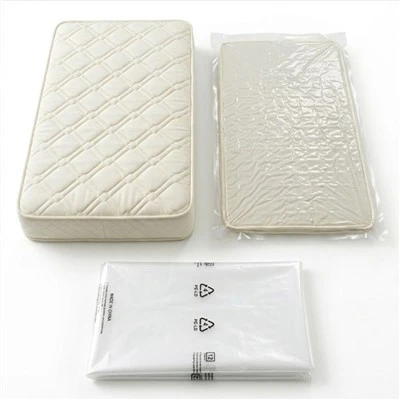
If you’re tired of struggling with bulky storage, or sick of paying extra fees for overflowing suitcases, our vacuum compression bags are designed to deliver that volume savings without damaging your items. We offer a range of sizes, from small bags for undergarments to extra-large bags for comforters and sleeping bags, all made with thick, BPA-free materials to ensure a tight seal that lasts. If you’re interested in bulk ordering for your own business, or need custom sizes for your specific needs, feel free to reach out to our team to discuss your requirements.
Vacuum Compression Bag Reference:
Textile Research Journal, 2021, “Moisture Absorption in Stored Textiles and Its Impact on Storage Volume and Weight”
International Air Transport Association, 2022, “Luggage Packing Habits and Overweight Baggage Fees
Shanghai Ruiyue Plastic Products Co., Ltd.
With abundant experience, we are one of the most professional vacuum compression bag manufacturers and suppliers in China. We warmly welcome you to buy high quality vacuum compression bag in stock here from our factory. If you have any enquiry about customized service, please feel free to email us.
Address: No. 1000, Lixue Road, Malu Town, Jiading District, Shanghai
E-mail: shenyang.boss@ruiyueplastics.com
WebSite: https://www.ruiyueplastics.com/
