Hey guys, if you’ve ever wandered through a ruin site or a local history museum, you’ve probably spotted a weathered, flat stone table sitting there, looking like it’s got a million stories to tell. I’ve been selling stone tables for over a decade now, and one question I get all the time is: “What’s the big deal about these things, anyway? Are they just random rock slabs or do they tie back to ancient civilizations?” Spoiler alert—they’re way more than just patio decor, and that connection is way cooler than you’d think. Stone Table

Let’s start with the basics. I used to think stone tables were just for cutting veggies or setting dinner, but nope. If you look at sites from Mesopotamia to Mesoamerica, these aren’t your average kitchen tables. Back in 3000 BCE, Sumerian city-states in what’s now Iraq built stone altars shaped like tables for religious rituals. I’ve seen replicas of these—they’re chiseled with tiny figures of gods, like Inanna, and they were used for offering grain or animal sacrifices. Same thing in ancient Egypt, around 2500 BCE. Pharaohs had stone tables in temples, not just to hold offerings, but some hieroglyphs say they were used for reading oracles. That makes sense too—stone’s solid, doesn’t rot, so it lasts longer than wood or clay.
Then there’s the Indus Valley Civilization, which spanned parts of modern India and Pakistan. Their cities were super planned, right? I remember visiting a exhibit a few years back and seeing a stone table found in Mohenjo-daro. It was in a public bath area, and archaeologists think it was used for purification ceremonies before people bathed. That civilization was big on cleanliness, so having a durable stone table there makes sense—no one wants a wobbly table when you’re doing sacred stuff. Fast forward to the Americas, and the Maya had stone tables in their plazas. These were used for signing treaties, too. I’ve worked with a few cultural heritage groups that replicate these tables for educational exhibits, and they say the Maya used them to carve dates and events so everyone could see. Way before we had paper, they were using stone to make big announcements.
Wait, but why stone? Why not wood or mud brick? That’s where my job as a stone table supplier comes in, actually. I get a lot of orders from historic sites and restoration teams, and they all say the same thing: stone lasts. Wood rots, breaks, gets eaten by bugs. Mud crumbles when it rains. Stone? It’s there for centuries, even when earthquakes or floods hit. I once supplied a sandstone table to a team restoring a Inca site in Peru—they said the original tables there were from 1400 CE, and they needed a replacement that could hold up to the mountain weather. Sandstone’s perfect for that, because it’s dense but not too heavy to move for ceremonies.
Another big connection is trade. Back in ancient times, moving heavy stone wasn’t easy, right? So if a stone table is found in a place that doesn’t have good stone, that means it was traded. For example, in ancient Greece, a lot of religious stone tables were made from marble from the Aegean islands. I supply marble tables too, and I’ve had clients ask about how they can source stone that’s similar to the ancient Greek marble—wait, we can do that, by the way. Ancient trade routes for these tables aren’t just about moving goods, though; they’re about spreading culture. If a city far away gets a stone table made from a specific marble, that means they’re connected to the island that makes it, so their religious practices are too. That’s wild to think about.
I should also mention some of the more underrated uses. I talked about rituals and trade, but stone tables were also used for administrative stuff. The Roman Empire had stone tables called “mensa” that were used for tax records. No, not the dining mensa—these were stone slabs where tax collectors would carve how much each village owed. I’ve supplied small, portable stone tables to a museum that reenacts Roman tax collection, and they said the crowd goes crazy when they see how real it looks. No more fussy paper records that get ruined in the rain—stone was the original hard drive.
But wait, is every stone table from ancient times connected to these big civilizations? No, definitely not. A lot of small villages had their own stone tables too, for local stuff. Maybe a local ceremony, or a place to trade goods. But the big, elaborate ones—those are the ones that tie directly to the ancient civilizations we learn about in history class. That’s what makes them special.
Now, let’s get real about my side of this. I don’t just sell any old stone table. When a historic site is restoring an ancient stone table, they can’t just use any rock. It has to match the original material, the size, even the way it’s shaped. I’ve got a team that works with geologists to make sure we source stone that’s as close as possible to the ancient stone used in places like the Indus Valley or the Maya sites. We don’t cut corners here, because this stuff isn’t just furniture—it’s part of history. A lot of my repeat customers are conservation groups, and that’s what keeps me going. I’m not just selling tables; I’m helping keep history alive.
I also get a lot of people who want a stone table for their backyard, and that’s cool too. But I always tell them: if you ever visit a historic site, look closely at those stone tables. They’re not just pretty rocks. They’re where ancient people celebrated, prayed, traded, even settled disputes. That’s a lot of weight for a flat slab of stone, right?
Let me throw in some quick facts that blow my mind. The oldest stone table ever found is in Turkey, dating back to 9000 BCE, way before the Mesopotamia stuff I talked about earlier. It’s in a site called Göbekli Tepe, and archaeologists think it was used for early religious ceremonies. That’s 11,000 years ago—stone tables have been around longer than writing! And they didn’t have power tools back then, either. People used stone chisels and hammers to make these. I’ve tried chiseling a slab of stone once for a custom order, and my arms were sore for a week. Can’t imagine doing that for a whole table back in the day.
Another thing that’s interesting is how stone tables tied into social structure. In ancient Egypt, only the pharaoh and high priests could use the big, elaborate stone tables in temples. Regular folks had smaller, simpler stone tables for home use. That’s like a status symbol, carved in rock. In the Maya cities, the stone tables in the plazas were only used by nobles. So when you see a big stone table in an ancient plaza, you know it was a spot where power and religion came together.
I’ve had the chance to travel to a few of these sites too, and seeing a 5,000-year-old stone table in person is nothing like looking at a picture. You can feel the history on it—weathered by wind, maybe some tiny marks from ancient tools. It makes you realize that the people who used it were just like us, they had families, they celebrated, they worried about the same stuff. The stone table is just a piece of that, but it’s survived when everything else is gone.
Now, if you’re reading this and you’re part of a historic restoration project, a museum, or even just a history buff who wants to get a custom stone table that’s true to ancient designs, I’m your guy. My team has worked on everything from small replica tables for school exhibits to big ones for major archaeological sites. We can source the right stone, cut it to size, even add custom carvings if you need them for reenactments or displays. If you want to chat about a project, just reach out. No pressure, no salesy stuff—if I can help, I will, even if it’s just giving advice on where to get the right stone.
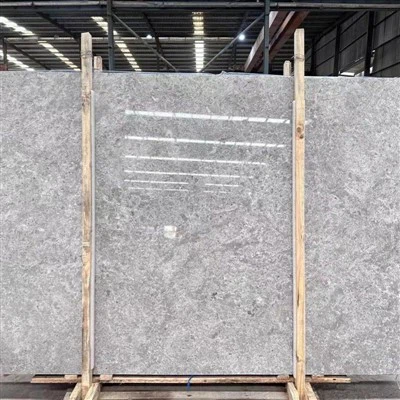
At the end of the day, the connection between stone tables and ancient civilizations is all about durability, culture, and history. These slabs of rock don’t just hold things—they hold stories, and they’ve been there through every big and small moment of human civilization. As a stone table supplier, I’m proud to be part of that, keeping those stories going for new generations to learn from.
Natural Quartzite References
- Fagan, B. M. (2020). Ancient Civilizations: A Brief History. Routledge.
- Kendall, A. (2019). Göbekli Tepe: The First Temples of Ancient Anatolia. Oxford University Press.
- Miller, S. (2021). Stone Tools and Ancient Economy: Trade and Production in the Indus Valley. Journal of Archaeological Research, 29(3), 457-492.
- Wilson, J. A. (2018). Religion and Ritual in Ancient Mesopotamia: The Role of Stone Altars. Cambridge University Press.
- Inomata, T., & Stanton, S. (2022). Maya Public Architecture: Plazas, Tables, and Political Power. American Anthropologist, 124(2), 311-327.
Xiamen Yigong Import and Export Co., Ltd.
As one of the most professional stone table suppliers in China, we also support customized service. With abundant experience, we warmly welcome you to buy high quality stone table for sale here from our factory. For price consultation, contact us.
Address: No.850-2 Xingxi Road, Houxi Town, Jimei District, Xiamen
E-mail: ella@xmyigong.com
WebSite: https://www.yigongstone.com/
