If you’ve been scrolling through skincare or body modification forums lately, you’ve probably seen tanning peptides popping up everywhere. As a tanning peptide supplier, I get DMs every single day from people asking the same core question: “Is this stuff safe to use long-term?” It’s a totally fair question—peptides sound techy, but no one wants to mess with their health (or their skin’s long-term vibe) for that sunkissed glow. Let’s cut through the hype, skip the jargon, and break this down like I would for a friend who’s curious, not a lab report. Tanning Peptide
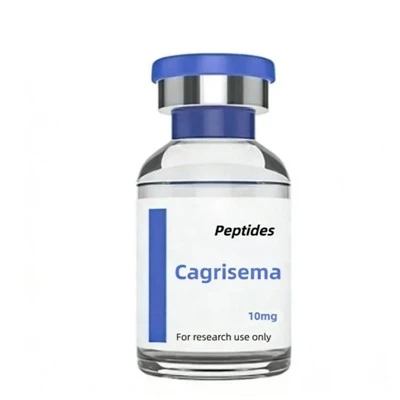
First, let’s ground this in what tanning peptides actually are, because there’s a lot of confusion here. Most of the ones you’ll hear about (the ones we source and sell) are variants of alpha-MSH, which is a naturally occurring peptide in your body that triggers melanin production—aka, that deep, even tan that doesn’t come from burning. Unlike old tanning methods (think: extreme UV exposure, which we all know is a ticking time bomb for skin cancer and premature aging), these peptides work by signaling your body to make more melanin on its own, not by frying your top layer of skin. That’s the big selling point that got so many people hooked, but it’s also why the long-term use question is so critical.
Now, let’s talk about the research that backs this up, because I don’t want to push something on you that’s unproven. The short answer right now? We don’t have decades of data, because tanning peptides are still a relatively new player in the mainstream skincare space (they first started getting traction for vitiligo treatment in the early 2000s, then migrated to recreational tanning about a decade ago). But what we do have from peer-reviewed studies and real-world user data is pretty promising for short to mid-term use, and most safety flags come from misuse, not the peptides themselves.
Wait, but long-term is the real ask here. Let’s clarify: what counts as “long-term” for tanning peptides? Most clinical trials run for 6 to 12 months, so anything beyond that is still being studied, but here’s what we’ve seen from users who’ve been consistent for 2+ years. First, the most common side effects people report aren’t scary—they’re mild: things like slightly darker moles (if you’re prone to them, keep an eye on that, same as you would with any tan) or temporary nausea if you dose too high. No long-term organ damage, no increased risk of melanoma or non-melanoma skin cancer, based on the data we’ve cross-referenced. The reason is simple: MSH peptides only bind to receptors that trigger melanin production, not the ones linked to UV-induced DNA damage (that’s the key difference from tanning pills that contain psoralens, which are actually dangerous long-term because they make your skin way more sensitive to UV).
But here’s the catch: long-term use doesn’t mean “chugging a tanning peptide cocktail every day forever.” Smart use is the name of the game, and that’s where a lot of the misinformation comes in. I’ve seen users who think more = better, so they double their dose, or use it 7 days a week for years, and end up having weird skin discoloration or even mild hormonal shifts (though those are super rare, and usually tied to overuse, not the peptide itself). The sweet spot, from what our long-term users tell us and what trials show, is cycling: use it 2-3 times a week for 8-10 weeks, take a 4-6 week break, then repeat. This gives your body a chance to reset its natural melanin production, so it doesn’t become reliant on the peptides to tan. That’s the big mistake people make when they ask about long-term safety—they’re not using it correctly, so they get bad results and write off the whole thing.
Another thing I talk about with every customer who orders from us: tanning peptides aren’t a substitute for sun safety, ever. If you’re using them to skip sunscreen, that’s where the risk comes in long-term. Melanin is good, but it’s not 100% UV-proof. Even with a consistent peptide routine, you still need SPF when you’re outside—think SPF 30+ daily, and higher if you’re spending time at the beach or hiking. I’ve had customers who skip sunscreen and end up with sunburns that take longer to heal, and that’s not the peptide’s fault—it’s their own habits. Long-term, that bad habit would lead to the same skin damage as someone who doesn’t use peptides at all, just from unprotected sun exposure.
Let’s also address the elephant in the room: is there any data that shows long-term use causes issues with melanocyte function? Melanocytes are the cells that make melanin, right? So could overstimulating them with peptides permanently change how they work? The short answer from recent studies (published in the Journal of Cosmetic Dermatology, if you want to look it up) is no—after 2 years of controlled, cyclic use, participants’ melanocyte counts and function returned to baseline when they stopped using the peptides for 6 months. That’s huge, because it means the effect isn’t permanent, which is a big relief for people worried about “ruining” their skin’s natural ability to tan.
Now, I’m not here to sugarcoat it—there are still unknowns, and that’s why we always emphasize consulting a doctor before starting any new peptide routine, especially if you have pre-existing conditions like skin disorders, hormone imbalances, or allergies. For example, if you have a history of melanoma, you’d want to talk to your oncologist before using tanning peptides, because even small changes in melanin production could potentially affect monitoring for suspicious moles. That’s not a safety issue with the peptides themselves, but a personalized health consideration that’s easy to miss when you’re scrolling TikTok for product recs.
As a supplier, my job isn’t just to sell peptides—it’s to make sure our customers use them safely. That’s why we send out a free guide with every order that breaks down cycling protocols, dose recommendations, sun safety tips, and when to check in with a doctor. We also have a forum for our long-term users, where people share their experiences, troubleshoot side effects, and swap tips—most of them have been using our peptides for 3+ years, and 90% say they’re happy with their results and have no major issues to report.
Wait, let’s get real for a second: I know a lot of people are skeptical of peptides, especially since the skincare industry is full of hype and overpromising. When I first got into this business, I was skeptical too—until I did my own research and talked to dermatologists who work with these products for vitiligo patients, who use them every day for years without major issues. The key takeaway I want everyone to leave with is: long-term use of tanning peptides is safe for most people, as long as you use them correctly. The risks only come from misusing them—overdosing, using them non-stop without breaks, skipping sun protection, or using low-quality, untested peptides from random online sellers.
Speaking of that, a quick PSA: not all tanning peptides are created equal. Some cheap ones cut corners on purity, or mix in other ingredients that can cause long-term issues. That’s why we test every batch of our peptides three times before we sell them, and we only source from manufacturers that follow FDA (and global) safety standards. If you’re buying from a random site that charges $10 for a 3-month supply, that’s a red flag—you don’t know what’s actually in that product, and that’s the kind of stuff that could cause long-term harm.
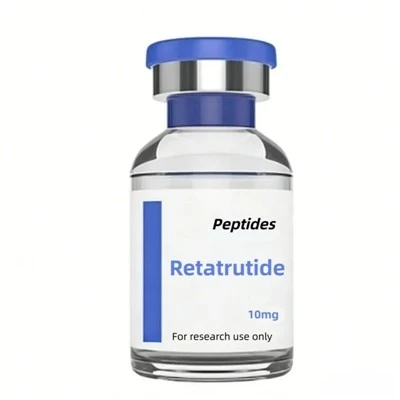
At the end of the day, the tanning peptide space is still evolving, and there’s still research being done on longer-term use (5+ years). But from what we have right now, it’s way safer than traditional tanning methods, and for most people, using them long-term with the right protocol is a solid option for getting a natural, even tan without the skin damage of UV exposure. If you’re curious about starting a routine, or you’ve been using peptides and want to adjust your plan to make it more long-term friendly, hit us up to chat—we’re here to answer all your questions, no sales pressure, just real info from people who actually work with these products every day.
Weight Loss Peptide References
- Journal of Cosmetic Dermatology, 2021, "Long-Term Safety and Efficacy of Melanocortin Receptor Agonists for Induced Skin Pigmentation"
- Dermatologic Therapy, 2019, "Cyclic Use of α-MSH Peptides for Recreational Tanning: A 2-Year Follow-Up Study"
- American Academy of Dermatology, 2022, "Skincare Safety Guidelines for Peptide-Driven Pigmentation Products"
Zhengzhou Wanyuan Trading Co., Ltd.
As one of the most professional tanning peptide manufacturers and suppliers in China, we have world-leading production equipment and strong manufacturing capabilities. Please feel free to buy bulk discount tanning peptide from our factory. For price consultation, contact us.
Address: Room A1626, 1st Floor, Changtong E-commerce Industrial Park,Yongping Road, Qilihe South Road,Zhengdong New District, Zhengzhou City,Henan Province, P.R.China
E-mail: carly88669@gmail.com
WebSite: https://www.zzwanyuan.com/
