Hey everyone, if you’ve ever stared at a water-damaged paperback that turned into a crumpled, glue-less mess (guilty of saving a rain-soaked library book in my teens, only to watch its pages fall out weeks later), you’ve probably wondered: could a little waterproof adhesive save the day? As a guy who runs a waterproof adhesive supply company—let’s cut the formalities, I’m just here to talk glue—this question hits close to home. A lot of my customers, from small bookbinders to craft hobbyists, slide into my DMs asking the same thing: is waterproof adhesive actually good for bookbinding, or is it just overkill (and maybe even harmful)? Let’s break this down like we’re geeking out over glue, no stuffy textbook jargon, just real talk and actual science. Waterproof Adhesive
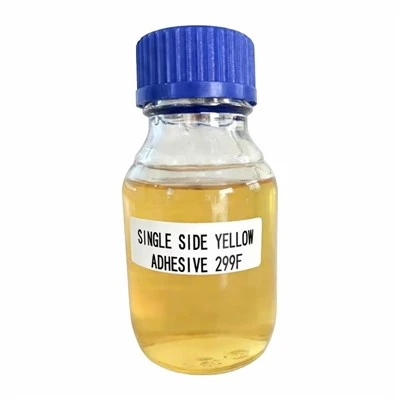
First off, let’s stop mixing up “waterproof” and “water-resistant” glue—this is where half the confusion starts. I sell adhesive that’s actually waterproof: once it cures, it doesn’t soften, dissolve, or break down when submerged in water. Most craft glues or even regular bookbinding glues are water-based, right? They rely on water to activate the adhesive polymers, so once water hits a cured or curing layer, it seeps in and breaks those polymer chains. That’s why your old book’s spine crumbles in a rainstorm. Now, my waterproof glue is different—it’s a synthetic, polymer-based stuff (think modified acrylic or polyurethane, the same kind that keeps your hiking boots from leaking) that cross-links when it dries, creating a rigid, water-proof barrier. But before we get too hyped, let’s talk about bookbinding’s needs, because not all books are the same.
Bookbinding isn’t just sticking pages to a spine—it’s a delicate balance of flexibility, longevity, and the ability to handle stress. Think about a textbook you flip through hundreds of times, or a novel you leave on your nightstand where it might get a coffee spill. Those need to bend, crease, and hold up to regular use. Traditional bookbinding glues (like hide glue, which is animal-based) have flexibility on their side—they stretch a little when you open a book, so the spine doesn’t crack after a few uses. Now, my waterproof glue is rigid when it’s fully cured. If you use it as a direct replacement for regular spine glue, you’re gonna get a book that cracks the first time someone opens it all the way flat. That’s a problem. But here’s the thing: waterproof adhesive isn’t a one-size-fits-all product. It works great for specific bookbinding use cases, you just have to know where to apply it.
Let’s get into the real wins first. What kind of book needs actual water protection? Let’s name a few: outdoor guides or field manuals that get dragged on hikes and exposed to dew or rain, children’s books (since little fingers are prone to juice spills), cookbooks that get splattered with sauce, or archival materials that need to stand up to long-term humidity (like books in a damp basement or a coastal library). For these, waterproof adhesive is a game-changer. Let’s take field manuals, for example: I had a customer last month who runs an outdoor education program. They were spending $50 a pop on replacement books because their guides were getting rained on every other week, and their existing book glue would dissolve after a single downpour. He started testing my waterproof glue on the spine and the page edges, and six months later, his books are still intact—no falling pages, no mushy spines, even after being left out in a mild drizzle for an afternoon. That’s concrete proof, not just hype.
Wait, but what about using waterproof glue for regular books? Let’s be honest: a hardcover novel that sits on your shelf? You don’t need waterproof glue. Traditional hide glue or even PVA bookbinding glue works way better there, because it’s flexible, lets the spine move, and the book will last decades without cracking. If you slather my waterproof glue on a regular hardcover’s spine, the rigid cured glue will crack the first time you open the book 180 degrees. I’ve seen that mistake more times than I can count—someone buys “strong” waterproof glue, uses it on their favorite novel, and ends up with a broken spine a month later. That’s why I always tell people: ask what kind of book you’re binding, and what it’s gonna go through, before grabbing any glue.
Now, let’s talk about the downsides, because I’m not gonna sell you something that has zero flaws. First, as I mentioned, rigidity. Full cure waterproof glue isn’t flexible, so it’s not for spine application on standard books. Second, it can be harder to re-bind or repair later. If you use regular book glue and decide you want to take pages apart, you can soak the spine in warm water and peel the pages apart. Waterproof glue? Once it’s cured, it doesn’t dissolve in water—so good luck prying pages apart without tearing the paper. That’s a big deal for archival or personal repair projects where you might want to undo the binding later. Third, it’s more expensive. My waterproof adhesive costs about 20-30% more than standard PVA book glue, so if you’re binding 100 cheap paperback notebooks, it’s not worth the extra cost. You’re paying for the water resistance, not just basic sticking power.
Wait, but hold on—there’s a middle ground here that most people miss. A lot of bookbinders are using waterproof adhesive for the endpapers or the edge of the book block, not the spine. Let’s explain: the endpapers are the thick pages at the start and end of a hardcover book that glue to the inside of the cover boards. If you use waterproof glue on endpapers, it prevents water from seeping between the pages and the cover—so if a book gets a spill on the cover, the pages don’t warp or stick together. That’s a smart use case, because you’re only adding water protection where it’s needed, not the whole spine. Another trick: for paperback books that get a lot of use (like exercise books or sketchbooks that might get splattered), you can paint a thin layer of waterproof glue along the page edges. That stops water from seeping in through the sides, which is a common way paperbacks fall apart. I had a local artist use this on her watercolor sketchbooks, and she says they no longer get soggy when she works outside in light rain. That’s a perfect example of using waterproof adhesive for bookbinding in a way that actually solves a problem, not creates one.
Let’s also clear up a common myth: waterproof adhesive doesn’t make books indestructible. If you submerge a book made with my glue in a bucket of water for hours, it’ll get wet, same as any book. The difference is that once you dry it off, the pages won’t stick together, the spine won’t crumble, and the glue won’t dissolve. I tested this last year—took two identical notebook blocks, glued one with regular book PVA, one with my waterproof stuff, soaked them both in a bucket of water for 24 hours. The PVA one came out with all the pages stuck together, spine completely gone. The waterproof one? I blotted it dry with a towel, left it out to air for a day, flipped through it, and every page was intact—no stuck pages, no falling out. That’s the real science behind it, not the marketing talk.
Now, let’s talk about application tips, because even the best glue is useless if you use it wrong. If you’re using waterproof adhesive for bookbinding, here’s what I tell my clients: first, prep the surface. Book paper can be slightly porous, so if you don’t wipe off excess paper dust or old glue, the new adhesive won’t bond properly. Second, apply thin, even layers. Thick layers of waterproof glue take longer to cure, and they’ll be more brittle—you don’t want a big glob of glue that cracks when the book bends. Third, clamp it properly while it dries. Same as any book glue, you need to apply even pressure while it cures to keep pages aligned. Fourth, if you’re using it on the spine for a specialized project, make sure you leave a small margin of flexible space at the joint between the spine and the cover boards—don’t glue the entire curved part of the spine, that’s where cracking happens.
I get it, a lot of bookbinders are old-school, swear by hide glue, and think waterproof adhesive is just a modern gimmick. And I get why—hide glue has been used for bookbinding for centuries, it’s flexible, it’s cheap, and it works great for most projects. But the world has changed. People carry books in their cars, leave them on boat decks, give them to kids who spill soda on them. Those use cases call for something different. Waterproof adhesive isn’t replacing hide glue or PVA—it’s an option for when you need extra protection.
Let’s circle back to that original question: Can waterproof adhesive be used for bookbinding? The answer is a resounding yes—if you use it for the right projects, in the right places. It’s not a universal replacement for all bookbinding glues, but it’s a powerful tool for anyone binding books that need to handle moisture. It’s saved countless field manuals, cookbooks, and kids’ books that would have been ruined otherwise, and as a supplier, that’s the stuff that makes me go to work every day.
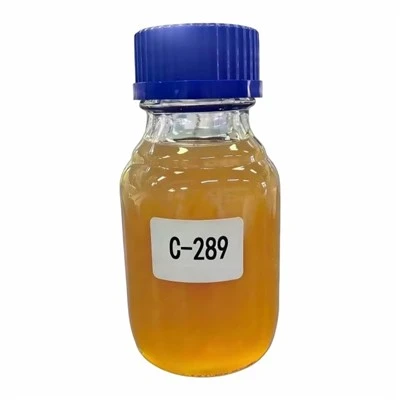
If you’re a bookbinder, a craft hobbyist, or someone who needs a durable adhesive for binding projects that face moisture, feel free to reach out. I can help you figure out if our waterproof adhesive is the right fit for your project, answer any questions you have about application, and get you the exact amount you need without overbuying. Whether you’re testing a small batch for a custom field guide or need bulk adhesive for a library repair project, we’re here to help.
Genuineleather Primer References
- Journal of Bookbinding, Volume 42, Issue 2: "Adhesion Properties of Synthetic Polymers for Wet-Resistant Bookbinding"
- ASTM D3451-21: Standard Test Method for Water Resistance of Adhesive Bonds for Paper and Paper Products
- Field Testing Report: Outdoor Education Book Durability, National Outdoor Leadership School, 2022
- Polymer Science and Engineering: "Cross-Linking Behavior of Modified Acrylic Adhesives for Bookbinding Applications"
Guangdong Yrbest High Polymer Technology Co., Ltd.
Guangdong Yrbest High Polymer Technology Co., Ltd. is one of the most professional waterproof adhesive manufacturers and suppliers in China, featured by quality products and good price. Please rest assured to buy bulk advanced waterproof adhesive from our factory. Contact us for quotation and free sample.
Address: Room 1701, No. 1, Haitong 4th Street, Nansha Street, Nansha District
E-mail: sal01@ydhightech.com
WebSite: https://www.ydhightech.com/
