Dental titanium material is a crucial component in the dental industry, known for its excellent biocompatibility, corrosion resistance, and mechanical properties. As a dental titanium material supplier, I understand the importance of proper storage to maintain the quality and performance of these materials. In this blog post, I will share some insights on how dental titanium material is stored to ensure its integrity and usability. Dental Titanium Material
Understanding the Characteristics of Dental Titanium Material
Before delving into the storage methods, it is essential to understand the unique characteristics of dental titanium material. Titanium is a highly reactive metal that can form a stable oxide layer on its surface when exposed to oxygen. This oxide layer provides excellent corrosion resistance, making titanium suitable for use in the oral environment. However, this reactivity also means that titanium can react with certain substances, such as moisture, acids, and alkalis, which can affect its properties.
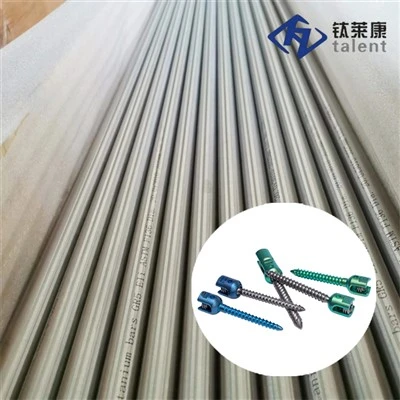
In addition to its reactivity, dental titanium material is often supplied in various forms, including bars, wires, sheets, and powders. Each form may have different storage requirements based on its physical properties and surface area. For example, titanium powders have a larger surface area and are more prone to oxidation and contamination compared to solid bars or sheets.
Storage Environment
The storage environment plays a critical role in maintaining the quality of dental titanium material. Here are some key factors to consider:
Temperature
Temperature control is essential to prevent thermal expansion and contraction, which can cause stress and deformation in the titanium material. Ideally, dental titanium material should be stored in a temperature-controlled environment between 20°C and 25°C (68°F and 77°F). Extreme temperatures can also accelerate the oxidation process, leading to the formation of a thicker oxide layer and potentially affecting the material’s properties.
Humidity
Humidity can also have a significant impact on the storage of dental titanium material. High humidity levels can increase the risk of corrosion and oxidation, especially in the presence of contaminants. To prevent moisture damage, the storage area should have a relative humidity level between 30% and 50%. Dehumidifiers can be used to maintain the desired humidity level, especially in areas with high humidity.
Ventilation
Proper ventilation is necessary to remove any potentially harmful gases or vapors that may accumulate in the storage area. Titanium can react with certain chemicals and gases, such as chlorine and sulfur dioxide, which can cause corrosion and discoloration. A well-ventilated storage area helps to minimize the exposure of the titanium material to these substances.
Light
Exposure to light, especially ultraviolet (UV) light, can also affect the properties of dental titanium material. UV light can cause the degradation of the oxide layer on the titanium surface, leading to increased corrosion and reduced biocompatibility. Therefore, dental titanium material should be stored in a dark or low-light environment to minimize light exposure.
Storage Containers
The choice of storage containers is also important to protect dental titanium material from damage and contamination. Here are some considerations when selecting storage containers:
Material
The storage containers should be made of a material that is non-reactive with titanium and does not release any harmful substances. Common materials used for storing dental titanium material include plastic containers, stainless steel bins, and glass jars. Plastic containers are lightweight, inexpensive, and easy to clean, while stainless steel bins are more durable and resistant to corrosion. Glass jars are transparent, allowing for easy visual inspection of the contents.
Sealing
The storage containers should have a tight seal to prevent the entry of moisture, air, and contaminants. This helps to maintain the quality of the titanium material and prevent oxidation and corrosion. Containers with screw-on lids or snap-on closures are commonly used to provide a secure seal.
Labeling
Each storage container should be clearly labeled with the type, grade, and quantity of the dental titanium material inside. This helps to ensure easy identification and inventory management. Additionally, the labels should include any special handling instructions or storage requirements for the specific material.
Storage of Different Forms of Dental Titanium Material
As mentioned earlier, dental titanium material is available in various forms, each with its own storage requirements. Here is a detailed look at how different forms of dental titanium material should be stored:
Titanium Bars and Wires
Titanium bars and wires are typically stored in a vertical position to prevent bending or distortion. They can be stored in plastic or stainless steel containers with dividers to keep them separated and organized. To prevent scratching or damage to the surface, a soft lining, such as foam or felt, can be placed inside the containers.
Titanium Sheets
Titanium sheets should be stored flat to prevent warping or curling. They can be stacked on top of each other in a storage container with a smooth surface to avoid scratching. To protect the sheets from oxidation, a layer of protective film or paper can be placed between each sheet.
Titanium Powders
Titanium powders are more susceptible to oxidation and contamination compared to solid forms of titanium. They should be stored in airtight containers made of a non-reactive material, such as plastic or glass. The containers should be filled as much as possible to minimize the amount of air inside. Additionally, titanium powders should be stored in a desiccator or a low-humidity environment to prevent moisture absorption.
Handling and Safety Precautions
Proper handling and safety precautions are essential when storing dental titanium material. Here are some guidelines to follow:
Clean Hands
Before handling dental titanium material, it is important to wash your hands thoroughly to remove any dirt, oil, or moisture. This helps to prevent contamination of the material and ensures its quality.
Use Clean Tools
When handling dental titanium material, use clean and dry tools to avoid scratching or damaging the surface. Tools made of stainless steel or non-reactive materials are recommended.
Avoid Cross-Contamination
To prevent cross-contamination, do not mix different grades or types of dental titanium material in the same storage container. Keep each type of material separate and clearly labeled.
Safety Equipment
When working with dental titanium material, especially powders, it is important to wear appropriate safety equipment, such as gloves, safety glasses, and a face mask. This helps to protect you from potential hazards, such as inhalation of dust or contact with the material.
Quality Control and Inspection
Regular quality control and inspection are necessary to ensure the integrity and usability of dental titanium material during storage. Here are some steps to follow:
Visual Inspection
Periodically inspect the dental titanium material for any signs of damage, corrosion, or discoloration. If any issues are detected, the affected material should be removed from storage and evaluated further.
Testing
In addition to visual inspection, periodic testing can be performed to verify the properties of the dental titanium material. This may include tests for hardness, corrosion resistance, and chemical composition.
Inventory Management
Maintain a detailed inventory of the dental titanium material in storage, including the type, grade, quantity, and storage location. This helps to ensure easy access to the material and prevents overstocking or shortages.
Conclusion
Proper storage of dental titanium material is essential to maintain its quality and performance. By controlling the storage environment, using appropriate storage containers, and following proper handling and safety precautions, we can ensure that the dental titanium material remains in optimal condition until it is ready for use. As a dental titanium material supplier, I am committed to providing high-quality materials and ensuring that they are stored and handled correctly to meet the needs of our customers.
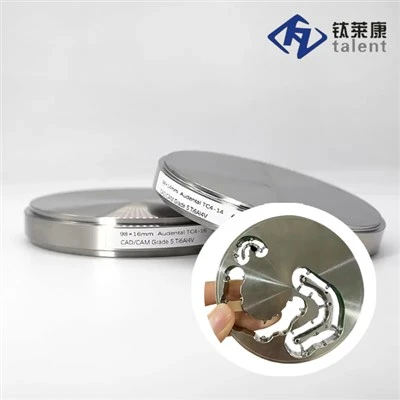
Dental Titanium Round Discs If you are interested in purchasing dental titanium material or have any questions about our storage practices, please feel free to contact us for further discussion. We are always happy to provide more information and assist you with your procurement needs.
References
- ASTM International. ASTM F67 – 13 Standard Specification for Unalloyed Titanium for Surgical Implants (UNS R50250, R50400, R50550, and R50700). West Conshohocken, PA: ASTM International, 2013.
- ISO 5832 – 2:2019 Implants for surgery — Metallic materials — Part 2: Unalloyed titanium. Geneva, Switzerland: International Organization for Standardization, 2019.
- Williams, D. F. (Ed.). The Biocompatibility of Dental Materials. Boca Raton, FL: CRC Press, 1990.
Baoji Tailaikang High-Tech Metal Materials Co., Ltd.
With abundant experience, we are one of the most professional dental titanium material manufacturers and suppliers in China. Please feel free to buy dental titanium material for sale here and get pricelist from our factory. For price consultation, contact us.
Address: No. 1, Southeast Cross of Gaoxin Avenue and Fenghuang 3rd Road, High-tech Development Zone, Baoji City, Shaanxi Province, China
E-mail: sale@tlkjs.com
WebSite: https://www.tlkmetal.com/
