Compressed Natural Gas (CNG) has emerged as an important alternative fuel in the transportation and energy sectors, offering environmental benefits and cost – effectiveness. As a CNG equipment supplier, understanding and adhering to quality standards for CNG equipment is crucial. This not only ensures the safety and reliability of our products but also builds trust with our customers. CNG Equipment
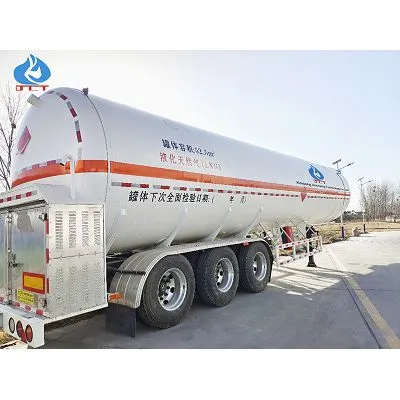
Safety Standards
Safety is the top priority when it comes to CNG equipment. The equipment must comply with international safety regulations to prevent explosions, leaks, and other hazardous situations.
One of the most important safety standards is related to the pressure vessels used to store CNG. These vessels are typically designed to withstand high pressures, often up to 250 bar or more. According to the American Society of Mechanical Engineers (ASME), the pressure vessels must be fabricated using high – quality materials such as steel or composite materials. The manufacturing process should follow strict quality control procedures, including non – destructive testing methods like ultrasonic testing, radiography, and magnetic particle inspection to detect any internal or surface defects that could lead to failure under pressure.
Valves are another critical component of CNG equipment. They must be reliable and designed to prevent gas leakage. International Organization for Standardization (ISO) standards require that valves have a tight shut – off function, low internal leakage rates, and be able to withstand high – pressure cycling. For example, ISO 15500 – series standards cover various aspects of CNG components, including valves, ensuring that they meet the necessary safety requirements for use in automotive and stationary applications.
Performance Standards
In addition to safety, performance is also a key factor in the quality of CNG equipment. The equipment should be able to deliver the required amount of CNG at the right pressure and flow rate to ensure efficient operation of the end – use applications.
For CNG dispensers, accurate measurement of the dispensed gas is essential. Industry standards such as those set by the National Institute of Standards and Technology (NIST) in the United States specify the allowable measurement errors for CNG dispensers. Typically, the measurement accuracy should be within a certain percentage (e.g., ±0.5%) to ensure fair and accurate transactions between the supplier and the customer.
Compressors, which are used to compress the natural gas to high pressures, must also meet specific performance criteria. They should have high – efficiency ratings, low energy consumption, and be able to operate continuously for long periods without breakdowns. Standards like the Compressed Air and Gas Institute (CAGI) standards provide guidelines on compressor performance parameters, including volumetric efficiency, compression ratio, and power consumption.
Material and Manufacturing Standards
The quality of materials used in the manufacturing of CNG equipment has a significant impact on its overall performance and durability. The materials must be resistant to corrosion, wear, and high – pressure environments.
For pipes and fittings, stainless steel or other corrosion – resistant alloys are commonly used. These materials should meet the requirements of relevant standards such as ASTM (American Society for Testing and Materials) standards, which specify the chemical composition, mechanical properties, and dimensional tolerances of the materials.
During the manufacturing process, strict quality control is necessary. This includes proper welding procedures for joining components, as poor welding can lead to weak points and potential leaks. Welders should be certified according to recognized welding standards, and the welded joints should be inspected to ensure their quality.
Environmental and Regulatory Standards
CNG equipment must also comply with environmental and regulatory standards. As CNG is considered a cleaner – burning fuel compared to gasoline and diesel, the equipment should not contribute to additional environmental pollution.
Emission standards for CNG vehicles and equipment are becoming increasingly strict. For example, the Euro 6 standards in Europe and the Tier 3 standards in the United States set limits on the emissions of pollutants such as nitrogen oxides (NOx), particulate matter (PM), and hydrocarbons (HC) from CNG – powered vehicles. CNG equipment suppliers must ensure that their products help vehicles meet these standards.
Furthermore, regulatory requirements vary from country to country and region to region. In some areas, there may be specific permits and certifications required for the installation and operation of CNG equipment. Our company as a CNG equipment supplier is well – acquainted with these regulations and can provide customers with the necessary support to ensure compliance.
Quality Assurance and Certification
To demonstrate the quality of our CNG equipment, we follow a comprehensive quality assurance program. This includes conducting in – house testing at every stage of the manufacturing process, from raw material inspection to final product testing.
We also seek external certifications to prove that our products meet international standards. Common certifications for CNG equipment include ISO 9001 (Quality Management System), ISO 14001 (Environmental Management System), and CE (Conformité Européene) marking. These certifications not only give our customers confidence in the quality of our products but also open up opportunities for us to expand into international markets.
Why Choose Our CNG Equipment
As a CNG equipment supplier, we are committed to meeting and exceeding the highest quality standards. Our products are designed and manufactured with safety, performance, and environmental sustainability in mind. We have a team of experienced engineers and technicians who are constantly working on improving our products and ensuring that they comply with the latest industry standards.

We offer a wide range of CNG equipment, including compressors, dispensers, storage tanks, and valves, all of which are rigorously tested to ensure their reliability. Our after – sales service is also second to none. We provide technical support, maintenance, and repair services to ensure that our customers’ CNG systems operate smoothly and efficiently.
Specialty Gases If you are in the market for high – quality CNG equipment, we invite you to contact us for a detailed discussion. Whether you are a fleet operator looking to switch to CNG for your vehicles, a fuel station owner planning to install a CNG refueling system, or an industrial user in need of a reliable CNG supply, our team of experts is ready to assist you. We can provide customized solutions based on your specific requirements and budget. Don’t miss out on the opportunity to work with a trusted CNG equipment supplier. Reach out to us today to start the procurement and negotiation process.
References
- American Society of Mechanical Engineers (ASME) Boiler and Pressure Vessel Code
- International Organization for Standardization (ISO) 15500 series standards
- National Institute of Standards and Technology (NIST) Handbook 44
- Compressed Air and Gas Institute (CAGI) standards
- ASTM International standards
- Euro 6 emission standards
- United States Tier 3 emission standards
- ISO 9001:2015 Quality Management Systems – Requirements
- ISO 14001:2015 Environmental Management Systems – Requirements with guidance for use
Xinxiang Jincheng Technology Co., Ltd.
As one of the most professional CNG equipment manufacturers in China, we’re featured by quality products and good service. Please rest assured to buy customized CNG equipment made in China here from our factory. For pricelist, contact us now.
Address: Industrial Park, Fengquan District, Xinxiang City, Henan Province, China
E-mail: cncd05@cryocontainer.com
WebSite: https://www.jinchengspecialgas.com/
