Can BS Standard Railway Fish Plates be used in coastal railways?
As a supplier of BS Standard Railway Fish Plates, I’ve been frequently asked whether our products are suitable for coastal railways. This is a crucial question considering the unique and challenging environment of coastal areas. In this blog, I’ll delve into the characteristics of BS Standard Railway Fish Plates, the specific conditions of coastal railways, and analyze whether the two are a good match. BS Standard Railway Fish Plate
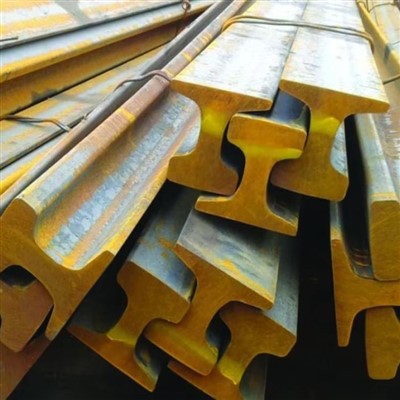
Understanding BS Standard Railway Fish Plates
BS Standard Railway Fish Plates are manufactured in accordance with British Standards. These fish plates are designed to connect two adjacent railway tracks, providing mechanical strength and stability to ensure the smooth running of trains. They are typically made from high – quality steel, which offers excellent endurance and load – bearing capacity. The precision of their manufacturing is strictly controlled, ensuring proper fit and reliable performance.
The key features of BS Standard Railway Fish Plates include accurate dimensions, smooth surfaces, and appropriate hardness. The accurate dimensions guarantee a proper connection between the tracks, reducing the risk of misalignment. The smooth surfaces reduce friction during train operation, which not only improves the efficiency of the railway system but also extends the service life of the train wheels and the fish plates themselves. The appropriate hardness makes the fish plates resistant to wear and deformation under high – pressure loads.
The Harsh Environment of Coastal Railways
Coastal railways face several unique challenges compared to inland railways. One of the most significant factors is corrosion. The proximity to the sea means that the railway infrastructure is constantly exposed to salt – laden air and seawater spray. Salt is a powerful corrosive agent that can accelerate the rusting process of metal components. Over time, corrosion can weaken the structural integrity of the fish plates, leading to safety issues such as track separation and potential derailments.
Another challenge is the variable weather conditions. Coastal areas often experience strong winds, heavy rainfall, and extreme temperature fluctuations. Strong winds can exert additional lateral forces on the tracks, while heavy rainfall can cause waterlogging, which further exacerbates corrosion. Extreme temperature variations can lead to thermal expansion and contraction of the metal parts, including the fish plates. If the fish plates cannot withstand these dimensional changes, they may crack or break, disrupting the normal operation of the railway.
In addition, coastal railways may also be affected by natural disasters such as tsunamis and hurricanes. These events can cause significant damage to the railway infrastructure, including the fish plates. The impact of large waves and strong winds during a natural disaster can easily dislodge or damage the fish plates, requiring immediate replacement and repair.
Analyzing the Suitability of BS Standard Railway Fish Plates for Coastal Railways
Despite the harsh conditions of coastal railways, BS Standard Railway Fish Plates can still be used, but with certain precautions.
First, in terms of corrosion resistance, although the standard steel used in BS Standard Railway Fish Plates is not inherently highly resistant to saltwater corrosion, there are several ways to enhance their corrosion – protection capabilities. One common method is to apply anti – corrosion coatings. These coatings act as a barrier between the metal surface of the fish plates and the corrosive environment. For example, zinc – based coatings can provide sacrificial protection, where the zinc corrodes first, protecting the underlying steel. Epoxy coatings can also offer a high – level of corrosion resistance, as they form a tough and durable film on the surface of the fish plates.
Secondly, regarding the ability to withstand weather – related stresses, BS Standard Railway Fish Plates are designed to have a certain degree of elasticity and strength to adapt to temperature changes. However, for coastal railways with more extreme temperature variations, additional design considerations may be required. For instance, the fish plates can be made with materials that have a lower coefficient of thermal expansion, reducing the risk of cracking due to temperature – induced dimensional changes. The design of the fish plates can also be optimized to better resist the lateral forces exerted by strong winds.
In response to the threat of natural disasters, although it is impossible to completely prevent damage, proper installation and reinforcement can minimize the impact. For example, ensuring that the fish plates are firmly bolted to the tracks and using additional support structures can help to keep the tracks together during a natural disaster.
Case Studies
There are some real – world examples that demonstrate the use of BS Standard Railway Fish Plates in coastal railways. In some European coastal regions, railways have been using BS – compliant fish plates for many years. Through regular maintenance and the application of anti – corrosion measures such as repainting and zinc – coating, these fish plates have shown satisfactory performance. In these cases, the railway operators have established strict inspection and maintenance schedules. They regularly check the condition of the fish plates for signs of corrosion, wear, or damage. If any issues are detected, immediate repairs or replacements are carried out.
In another case, in an Asian coastal country, a newly constructed railway line adopted BS Standard Railway Fish Plates. The project team paid special attention to the corrosion – protection aspect. They used advanced epoxy coatings on the fish plates and installed additional drainage systems along the tracks to prevent waterlogging. As a result, even after several years of operation, the fish plates have maintained their structural integrity, and the railway has been operating smoothly.
Conclusion

In conclusion, BS Standard Railway Fish Plates can be used in coastal railways, but it requires a comprehensive approach to address the unique challenges of the coastal environment. By applying appropriate anti – corrosion measures, optimizing the design to withstand weather – related stresses, and implementing proper installation and maintenance procedures, these fish plates can provide reliable performance in coastal railway applications.
Pre-embeded Plate If you are involved in the construction or operation of coastal railways and are considering the use of BS Standard Railway Fish Plates, I encourage you to reach out for a detailed discussion. We, as a professional supplier, have the expertise and resources to provide you with customized solutions to meet your specific needs. Whether it’s about the selection of the right type of fish plates, the application of anti – corrosion coatings, or the establishment of a maintenance plan, our team is ready to assist you. Contact us today to start a procurement negotiation and ensure the safety and efficiency of your railway project.
References
- British Standards Institute. Relevant standards for railway fish plates.
- Research papers on the corrosion of railway components in coastal environments.
- Case studies of railway construction and operation in coastal areas.
HENAN GNEE RAIL CO.,LTD.
HENAN GNEE RAIL CO.,LTD. is one of the most professional bs standard railway fish plate manufacturers and suppliers in China, featured by quality products and low price. Please rest assured to buy cheap bs standard railway fish plate in stock here from our factory. Contact us for customized service.
Address: No.4-1114, Beichen Building, Beicang Town, Beichen District, Tianjin, China
E-mail: info@gneerail.com
WebSite: https://www.chinarailfastener.com/
